
Section 66F: The Nuclear Option—India's Cyber Terrorism Law
Published on January 3, 2026 • 15 min read
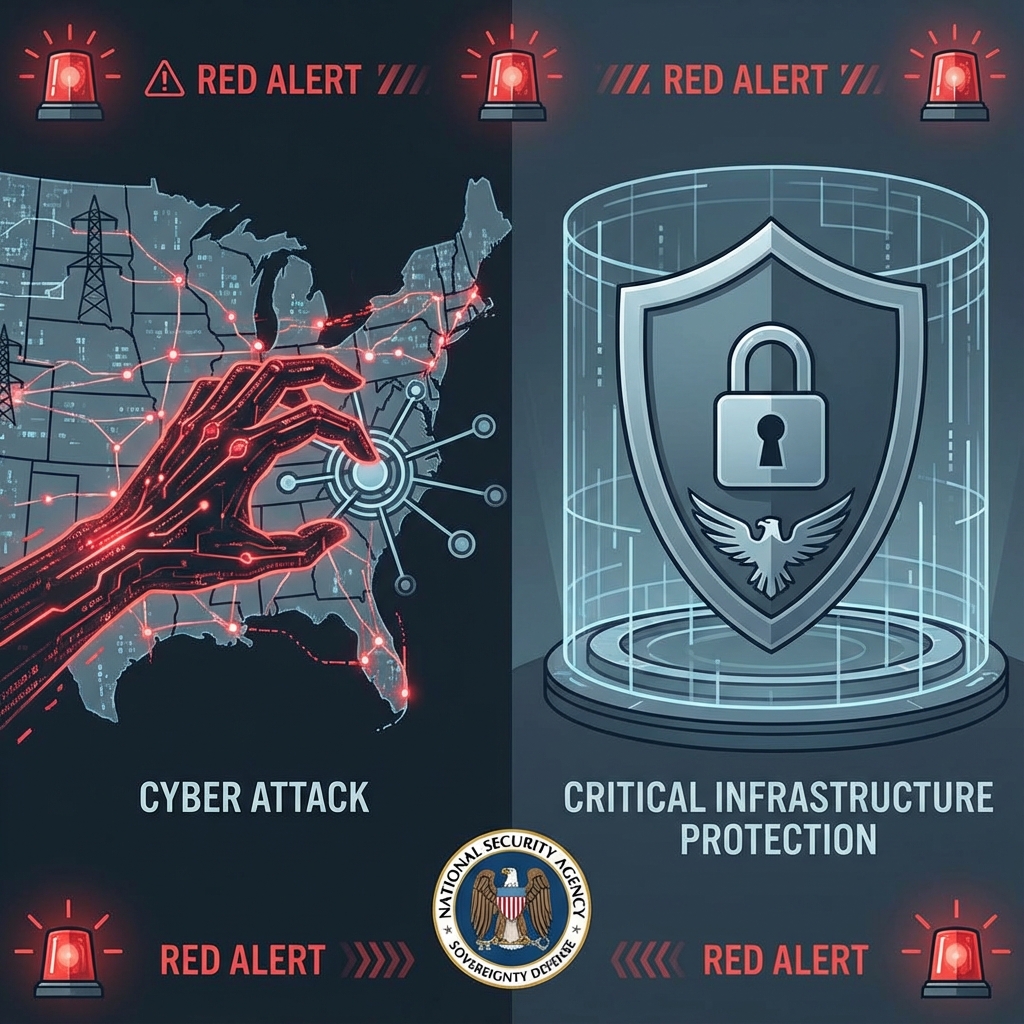
Imagine Mumbai's power grid goes dark. Hospitals lose life support. Traffic signals fail. ATMs shut down. Within hours, chaos spreads. Not because of a natural disaster, but because someone, somewhere, launched a coordinated cyberattack on critical infrastructure.
This isn't science fiction—it's the nightmare that Section 66F of the Information Technology Act was designed to prevent. Section 66F is India's cyber terrorism law, the most severe provision in the IT Act, carrying punishment up to life imprisonment.
Unlike other cyber offenses that target individuals or corporations, Section 66F addresses attacks that threaten national security, economy, and public safety. It's the digital equivalent of anti-terrorism laws—and it's treated with the same gravity.
What is Section 66F? The Legal Definition
Section 66F defines cyber terrorism as:
This provision is non-bailable and carries some of the harshest penalties in Indian law.
Breaking Down Section 66F: The Elements
1. Intent to Threaten National Interests
The act must be intended to:
- Threaten unity, integrity, security, or sovereignty: Attacks aimed at destabilizing India's governance, territorial integrity, or national defense
- Strike terror in people: Creating widespread fear or panic among the population
2. Prohibited Acts
The provision criminalizes three types of actions:
- Denial of Access: DDoS attacks, system shutdowns that prevent access to critical resources
- Unauthorized Access: Hacking into protected computer systems (government, defense, critical infrastructure)
- Introducing Contaminants: Deploying malware, ransomware, viruses that disrupt systems
3. Target: Protected Computer Resources
While Section 66F doesn't explicitly list "protected" resources, in practice, prosecution focuses on:
- Critical Infrastructure: Power grids, water supply, transportation networks
- Government Systems: Defense networks, intelligence databases, administrative portals
- Financial Systems: Banking infrastructure, stock exchanges, payment gateways
- Emergency Services: Hospitals, police, disaster response systems
Real-World Context: Has 66F Ever Been Invoked?
Section 66F is rarely used—not because cyber terrorism doesn't exist, but because proving the intent to threaten national security is exceptionally difficult. Most cyberattacks, even large-scale ones, are prosecuted under other sections (66, 43, or general IPC provisions).
Notable Instances Where 66F Was Considered
1. State-Sponsored Attacks
Intelligence agencies have reported multiple attempts by foreign actors to breach Indian defense systems, ISRO networks, and nuclear facilities. While these are investigated under national security laws, Section 66F provides the cyber-specific legal framework for prosecution if perpetrators are caught.
2. The Power Grid Scare (2020)
A report alleged that Chinese hackers infiltrated Mumbai's power distribution system, causing a grid failure. While the Indian government downplayed direct causation, the incident highlighted the vulnerability of critical infrastructure. Had intent been proven, Section 66F would have been the applicable charge.
3. Ransomware to Hospitals During COVID-19
Several hospitals faced ransomware attacks during the pandemic, crippling COVID-19 treatment facilities. Prosecutors debated invoking Section 66F on the grounds of "striking terror," but ultimately used Section 66 (hacking) due to difficulty proving the specific intent required under 66F.
Penalties: The Harshest in Cyber Law
- Imprisonment: Up to life imprisonment
- Non-Bailable: Accused cannot claim bail as a matter of right; courts have discretion
- Investigation Authority: Only specialized agencies (NIA, CBI) handle 66F cases
This makes Section 66F one of the most severe criminal provisions in India, on par with terrorism laws under the Unlawful Activities (Prevention) Act (UAPA).
Defense Strategies Against 66F Allegations
Given the severity, defending against a Section 66F charge requires meticulous legal strategy:
1. Challenge Intent
The prosecution must prove specific intent to threaten national security or cause terror. If the act was motivated by financial gain, personal vendetta, or hacktivism (not terrorism), Section 66F shouldn't apply.
2. Jurisdictional Issues
If the attack originated from outside India, extradition and jurisdiction become complex. Challenge whether Indian courts have authority.
3. Lack of Actual Impact
If the alleged attack failed (systems were not compromised, no denial of service occurred), argue that the essential elements of the offense were not met.
4. Procedural Flaws
Section 66F cases require specialized investigation protocols. Challenge:
- Chain of custody for digital evidence
- Authenticity of forensic reports
- Authorization for surveillance or interception
Critical Infrastructure Protection: Obligations Under Law
While Section 66F punishes attackers, the IT Act also imposes obligations on organizations managing critical infrastructure (under Section 70):
For Protected Systems
- Designate as Critical: Government can notify certain systems as "protected systems" under Section 70
- Implement Security Standards: Must follow CERT-In directives and cybersecurity frameworks
- Report Breaches: Mandatory incident reporting within 6 hours (as per recent CERT-In rules)
- Conduct Audits: Regular vulnerability assessments and penetration testing
Failure to secure protected systems can result in penalties under Section 70, though not as severe as 66F.
The Intersection with International Law
Cyber terrorism is inherently transnational. Section 66F operates alongside:
- Budapest Convention on Cybercrime: Though India isn't a signatory, it cooperates with signatory nations on investigations
- Mutual Legal Assistance Treaties (MLATs): For extradition and evidence sharing
- UN Resolutions on Cybersecurity: India advocates for international norms on state-sponsored cyberattacks
Conclusion: The Sword of Damocles
Section 66F is the legal equivalent of a nuclear deterrent—rarely used, but its mere existence is meant to discourage attacks. The provision sends a message: if you target India's critical infrastructure, you're not just a hacker. You're a terrorist.
But therein lies the danger. The broad language ("strike terror in people") could be misused. What constitutes "terror"? A DDoS attack on a government website during a protest? A ransomware attack on a state transport corporation? Activists worry that Section 66F could become a tool to suppress dissent under the guise of national security.
The balance is delicate. We need strong laws to protect against genuine threats—state-sponsored attacks, terrorist organizations using cyber weapons. But we also need safeguards to ensure those laws aren't weaponized against legitimate security researchers, whistleblowers, or activists.
Section 66F is powerful. Let's hope it stays reserved for those who truly deserve it.
Facing Section 66F allegations or need guidance on critical infrastructure protection? Given the severity and complexity, specialized legal representation is critical. Contact Our National Security Cyber Law Team.